
Surgery can feel overwhelming for any pet owner. At The Vet Clinic of Palm Harbor, we understand your concerns, and we are here to guide you through every step.
What Types of Pet Surgery Are Common?
The most common pet surgeries are spay & neuter procedures. These operations prevent unwanted litters and reduce the risk of certain cancers and infections.
Soft tissue surgery includes mass removals, bladder stone removal, wound repair, and abdominal procedures. Orthopedic surgery addresses bones, joints, and ligaments. Each procedure is tailored to your pet’s specific medical needs. A physical exam and diagnostic testing are performed before surgery is scheduled.
Is Anesthesia Safe for My Pet?
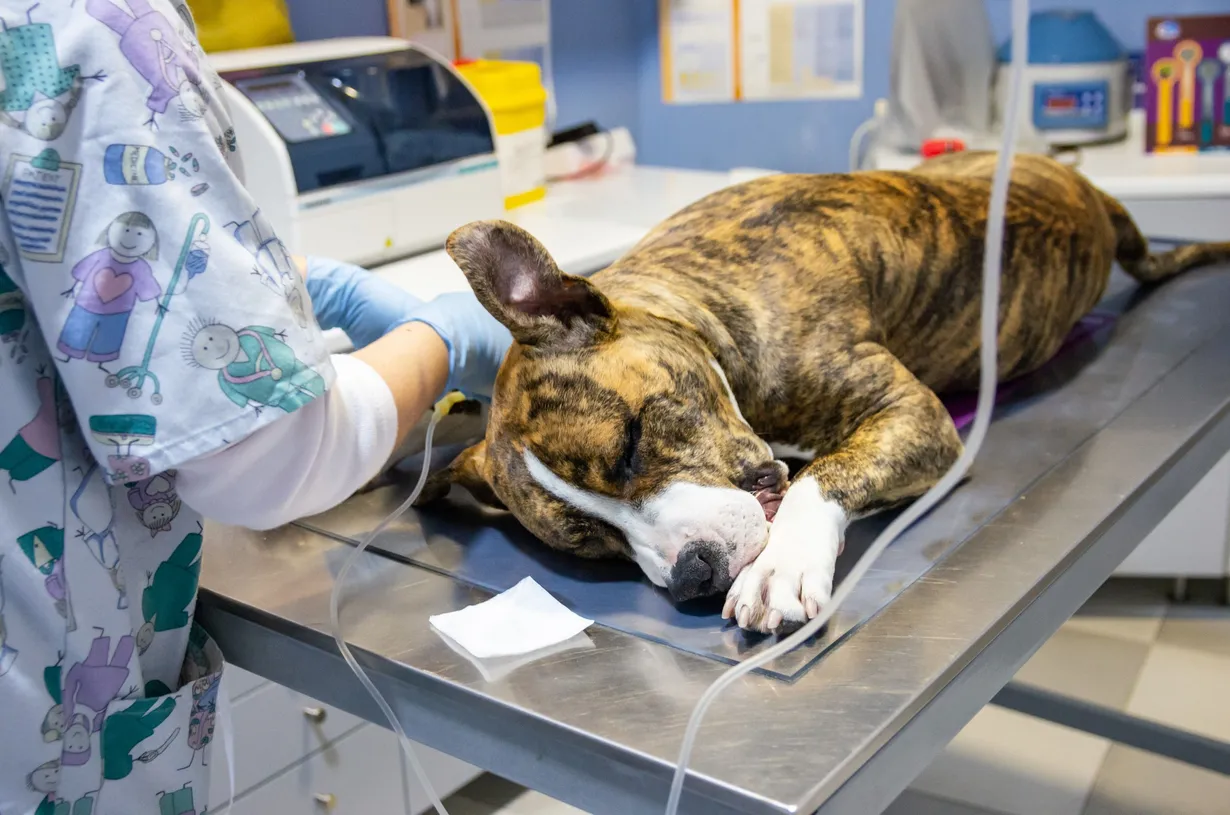
Modern anesthetic protocols are designed with safety in mind. Preoperative blood work is recommended to evaluate liver and kidney function. This testing helps determine the safest medications to use.
During surgery, vital signs are continuously monitored by our team. Heart rate, respiratory rate, blood pressure, oxygen levels, and temperature are tracked. A trained veterinary professional stays with your pet from induction to recovery.
What Happens Before Surgery?
Before surgery, your pet will receive a comprehensive physical examination. Diagnostic tests, such as blood work or radiographs, may be recommended. These tests help identify underlying conditions that could affect anesthesia or healing. Food is typically withheld for several hours before the procedure. Water guidelines may vary, and clear communication is provided so you know exactly what to do.
How Long Does Recovery Take?
Recovery time depends on the type of pet surgery performed. Spay & neuter procedures usually require 10 to 14 days of restricted activity. Soft tissue surgery recovery varies based on the complexity of the procedure. Orthopedic surgery often requires a longer healing period, sometimes several weeks. Medications are prescribed to control discomfort and inflammation. Activity restriction is necessary, even if your pet seems energetic, as controlled movement supports proper healing.
How Do I Care for My Pet After Surgery?
You will be given detailed discharge instructions. Incisions should be checked daily for redness, swelling, or discharge. An Elizabethan collar may be used to prevent licking or chewing at the surgical site.
Follow-up appointments are scheduled to monitor healing. Sutures or staples may need to be removed, depending on the procedure. If you notice lethargy, vomiting, loss of appetite, or increased swelling, contact your animal hospital promptly.
Choosing a Trusted Vet Near You
With proper planning, careful monitoring, and attentive aftercare, most pets recover well after surgery and return to their normal routines. At The Vet Clinic of Palm Harbor in Palm Harbor, FL, we focus on compassionate care and clear communication. To learn more or schedule an appointment, call our office at (727) 781-7704. Your pet’s health and comfort remain our highest priority.